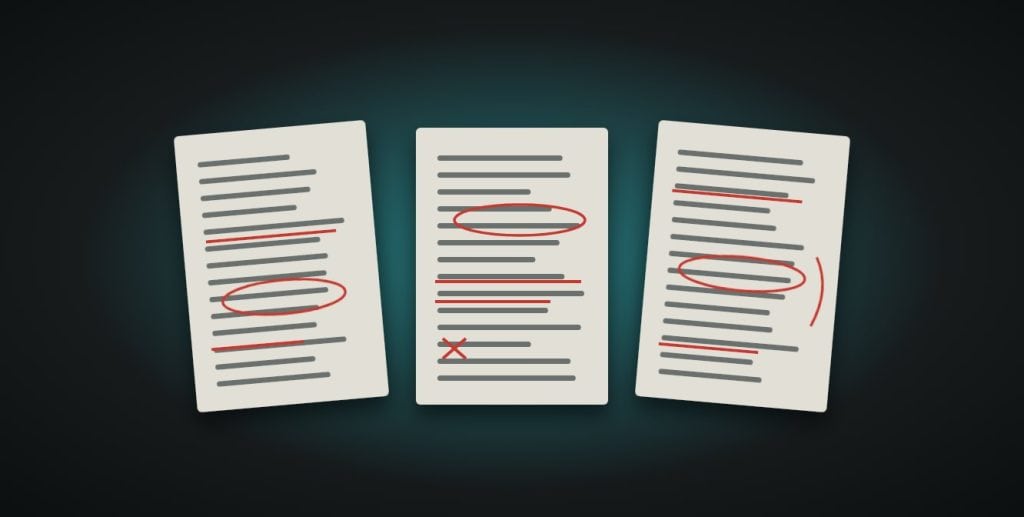
You ask AI to write something. It comes back correct, tidy, and covers every point. Then you read it again and feel that small drop in your stomach. It’s fine. It’s just not you.
So you rewrite it. Twenty minutes later, you wonder if you’re prompting it wrong.
You’re not. Something else is going on, and once you see it, you’ll stop blaming your prompts.
AI learns from a huge amount of writing. When you ask for a draft, it isn’t asking what you would say. It’s asking what writing like this usually looks like, then handing you the most likely answer. That’s why certain words keep turning up in AI drafts no matter who’s using it. Those words are everywhere in professional writing, so the AI reaches for them automatically.
It’s also built to be helpful and agreeable. That means it plays safe. The tone comes out cheerful, slightly formal, and careful not to commit to a strong opinion. None of this is a fault. The AI is doing exactly what it’s designed to do. The problem is that your voice was never designed to be average. It’s specific to you, and “average” is the one thing it can’t be.
Here’s the part most people get wrong. When a draft doesn’t sound like them, they try to fix it after it’s written. They rewrite the whole thing, or they go back to the prompt and bolt on adjectives like “casual” or “friendly.” The AI’s idea of casual mostly means more exclamation marks. Neither approach fixes the real issue, because both are trying to fix the product after it’s already been made.
A better question is what the AI knew about you before you asked for anything. Most people give it nothing. No context on how they write, what they’d never say, or who they’re actually talking to. Then they’re surprised every single piece needs reworking.
Here’s one thing you can do right now, without building anything. Before your next AI request, write down three things you would never say in your writing. Not vague ones like “I’m not formal.” Specific ones. A phrase you’d cringe at. A structure you always avoid. A tone you can’t stand in other people’s writing. Paste those three things into your prompt before you ask for the draft.
You’ll notice the output shifts, even slightly. That’s because you’ve given the AI one small piece of context it didn’t have before. It’s a long way from a finished fix, but it shows you something important: the fix isn’t better prompting adjectives, it’s giving the AI something real to work from before it starts.
Once you can name the patterns AI falls back on, by the way, you’ll start spotting them everywhere, in your own drafts and everyone else’s. One of the most common is a kind of creeping softness: a firm claim at the start of a paragraph that quietly turns into “can be” or “tends to” by the end. Watch for it next time you read an AI draft. It’s rarely there by accident.
The AI doesn’t need to be cleverer. It needs to know who you are. That’s a bigger job than three banned phrases, but it starts exactly there.